Imagining and constructing art, aesthetics and the future through Yoruba Spirituality: ADRRC hosts Olayombo, other scholars in a roundtable
Yoruba spiritualism, sacred aesthetics, futures
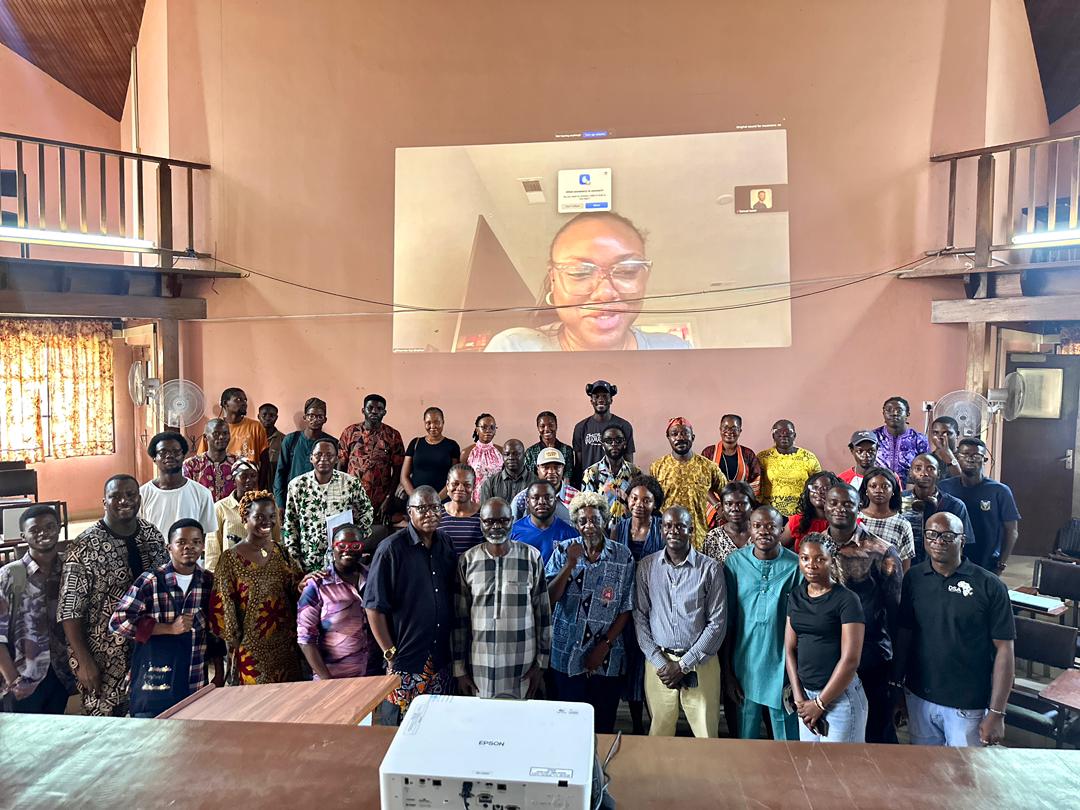
On June 18, 2026, an audience gathered at the Lady Bank Anthony Hall of the Institute of African Studies was thrilled to engaging discourses on “Sacred Aesthetics and African Futures: Yoruba Spirituality and Contemporary Art”.
The round-table event was hosted by the African Diaspora Resource and Research Centre (ADRRC) in conjunction with the University of Texas and the Institute of African Studies at the University of Ibadan. Prof. Senayon Olaoluwa, the Director of the ADRRC, who moderated the event, opened proceedings by situating the roundtable within the broader conversations on centring Yoruba knowledge systems in scientific and contemporary discourses, citing examples that matched astrology with awo irawo (star gazers) via wiwe oju. He thereafter read the robust citations of the keynote speaker, Olayombo Raji-Ajala, and 3-member panel that constituted the roundtable – Mr Akeem Asiyanbi, Dr Samuel Ajose and Dr Dayo Ajayi.
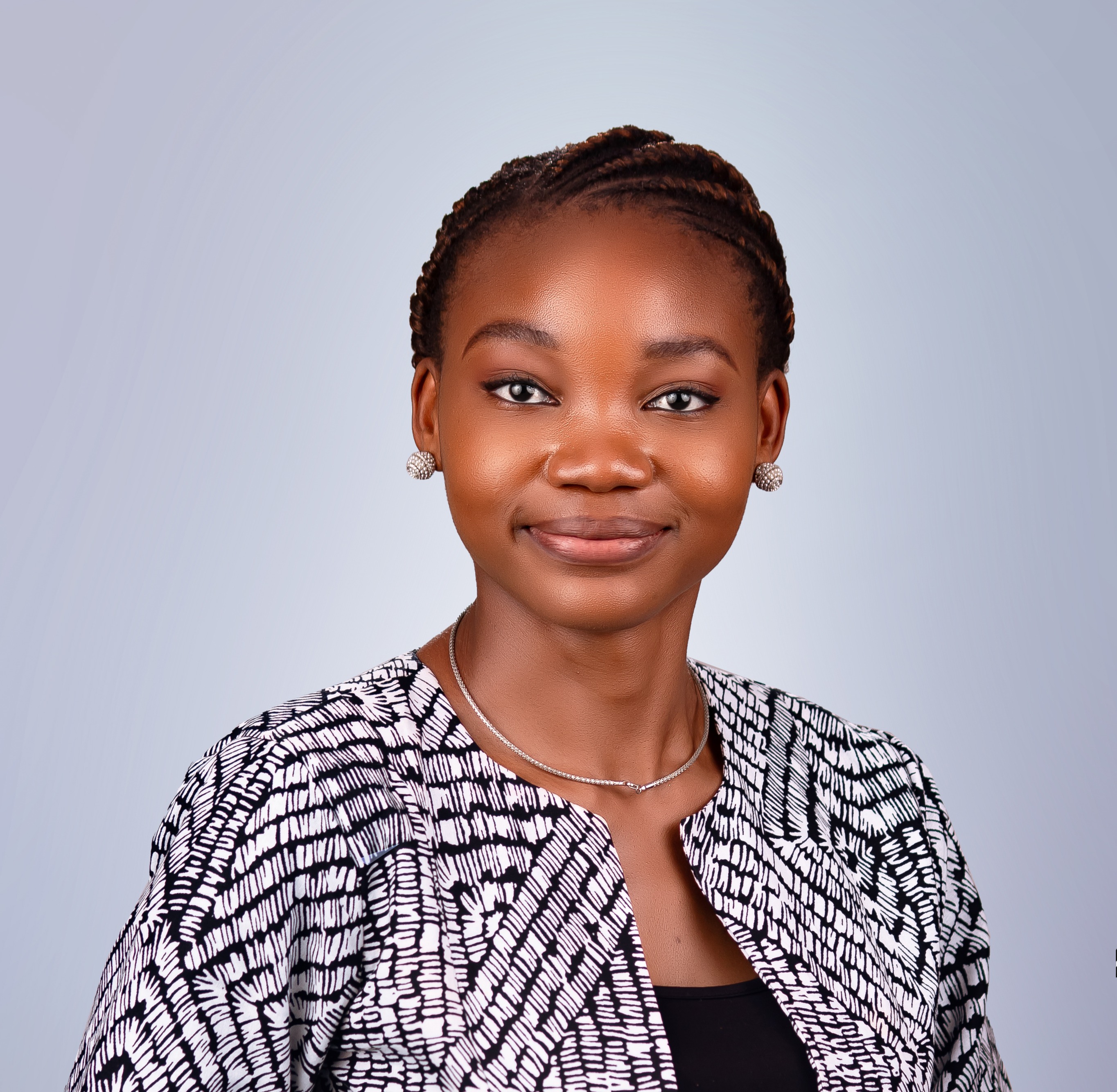
Launching the discourse, the keynote speaker Olayombo of the Department of African and African Diaspora Studies, University of Texas, argued for the understanding of Yoruba spirituality as central to the expressions of artistry, epistemes, materiality and systems of organisation. Grounding her thoughts in works of prominent scholars like Harry Garba, Rowland Abiodun and Karen Barber, she unpacked how contemporary African diasporic artists draw from Yoruba cosmology to frame their works as well as imaginations of futures. By situating artistic practices in spiritual knowledge systems such as Ori, Egungun and Ifa, art becomes a site of spiritual mediation and world making reflected in the productions of contemporary artists.
Significantly, the Yoruba spirituality as art has been an important component of global African diasporic expressions. An example of this is Laolu "NYC" Senbanjo (famous for painting Beyonce’s skin for a music video) with his artistic style “Afromysterics” drawn from the Yoruba roots of body scarification, but transformed into the concept of "the second skin" using black and white lines. She further enlivened her discussion using the afro-futuristic movie, Wakanda, where the costumes of the characters were transformative technological clothes likened to the transformations obtainable in an Egungun.
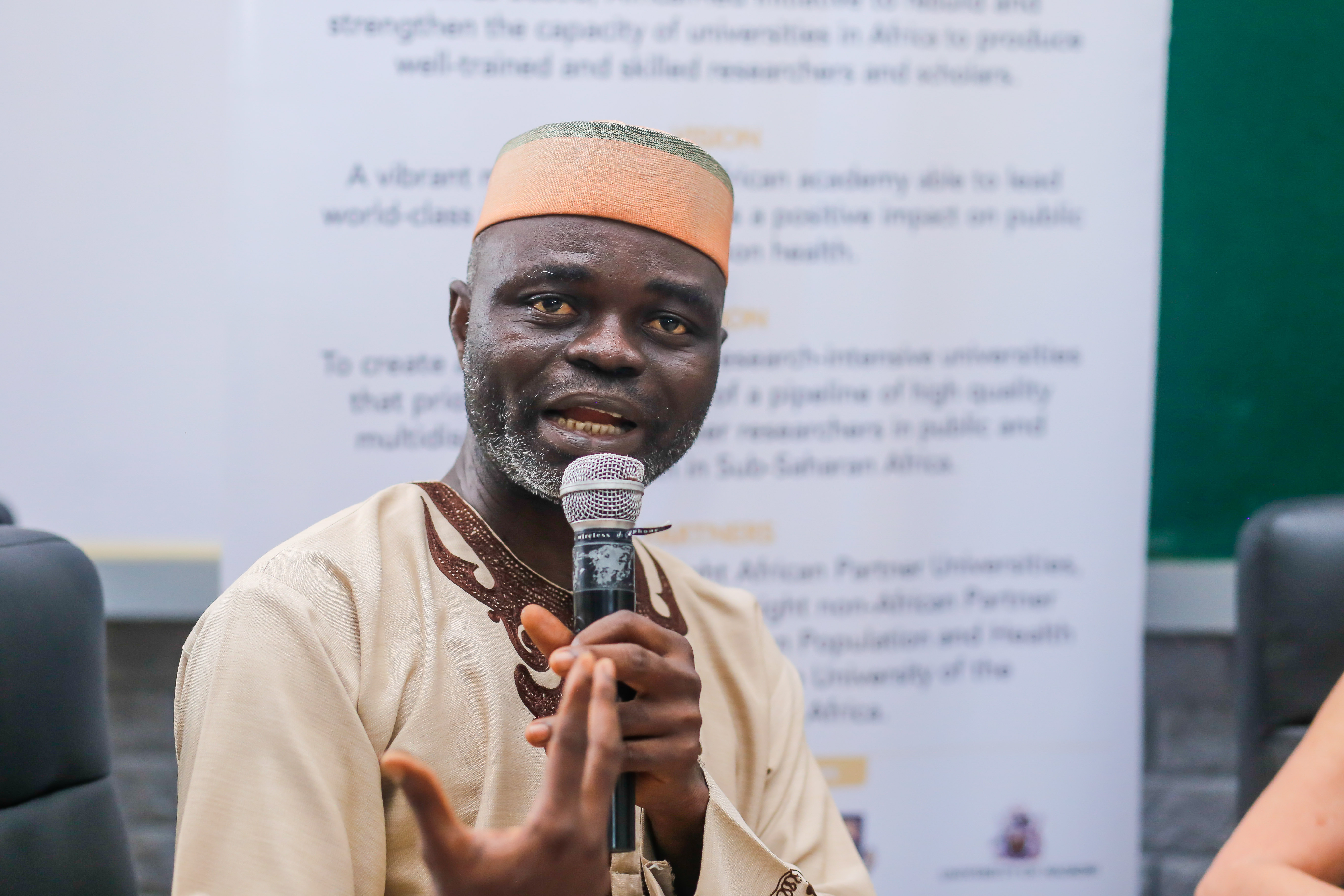
Other panel members built upon the keynote's arguments starting off with Akeem Asiyanbi, a visual artist and Egungun visuality expert. He unpacked how Yoruba elders after death are conferred ancestor status through the Egungun as a medium of rebirth, thus repositioning the Egungun as more than a costume or performance. He framed it as a living archive in which costume, movement, and ritual form an intricate system of meaning that operates across spiritual, social, and political life simultaneously.
Dr Samuel Ajose, an ethnomusicology and African diasporic music scholar, also based at Ibadan, honed in on the sonic aspects of Yoruba “sacred aesthetics” on rhythmic organisation of Yoruba music, foregrounding sound, rhythm, chant, and music as knowledge systems in their own right. He challenged the visual bias in dominant aesthetics scholarship, arguing that Yoruba spiritual practice is as deeply auditory and embodied as it is visible. In his framing, music is not peripheral to ritual but integral to it as it helps in transmitting cosmological meaning, collapsing the distinctions between art and religion. He engaged the audience in presenting the rhythm of Yoruba Odu Ifa in melodious rhythms, showing that Yoruba sonic spirituality is communal, collective and sounded.
Dr. Dapo Ajayi, an anthropologist of music and African urbanism, addressed the tension between tradition and modernity, calling for the breaking of binaries of tradition versus modernity in futuristic discussions. He cautioned against both nostalgic traditionalism and the uncritical adoption of Western academic frameworks that risk distorting Yoruba thought. The task, he argued, is not static preservation but dynamic reinterpretation while engaging indigenous epistemologies with global discourse without compromising their conceptual integrity. His remarks resonated with pressing questions about knowledge translation and the institutional conditions that determine when and how African intellectual traditions are recognised within the academy.
Collectively, the session made a compelling case that African and African diasporic futures are already embedded in her spiritual, aesthetic, and cosmological traditions; inheritances which can be reached into for transformative contemporary and futuristic productions. Unsurprisingly, the session generated thought-provoking questions on broader Yoruba materiality, philosophy and epistemes such as Iwa, Ewa, de/spiritualisation and integrating indigenous knowledge of the Egungun into the formal justice system.
The event was attended by renowned intelligentsia including Prof Sola Olorunyomi – the Director of the Institute of African Studies, Prof Aderemi Raji-Oyelade, Prof Adeshina Afolayan, Dr Emuobosa Orijemie and several other scholars across multiple disciplines.