Ibadan School of Diaspora Studies Embarks on 3-Day Field Trip to Badagry
Students of the Ibadan School of Diaspora Studies explore Badagry’s slave history, heritage sites, and the Diaspora Door of Return Festival in Nigeria.
Inyene Etuk
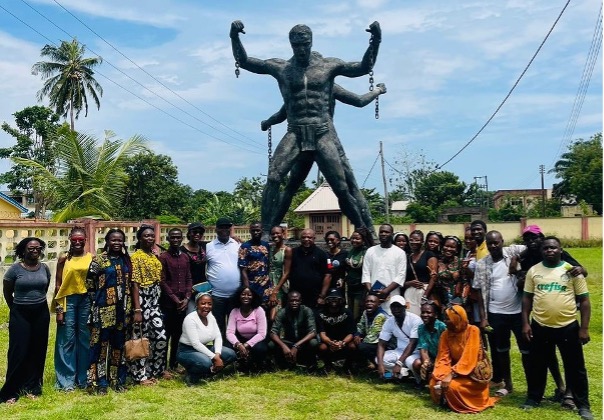
Under the open sky of Badagry, a group of students walked slowly toward the Atlantic shoreline along a narrow path once marked by chains, surveillance, and finality. Centuries ago, this was the last African soil many enslaved people would ever touch. For the students of the Ibadan School of Diaspora Studies, retracing the route of the Point of No Return was not merely an academic exercise, but a moment of deep historical reckoning.
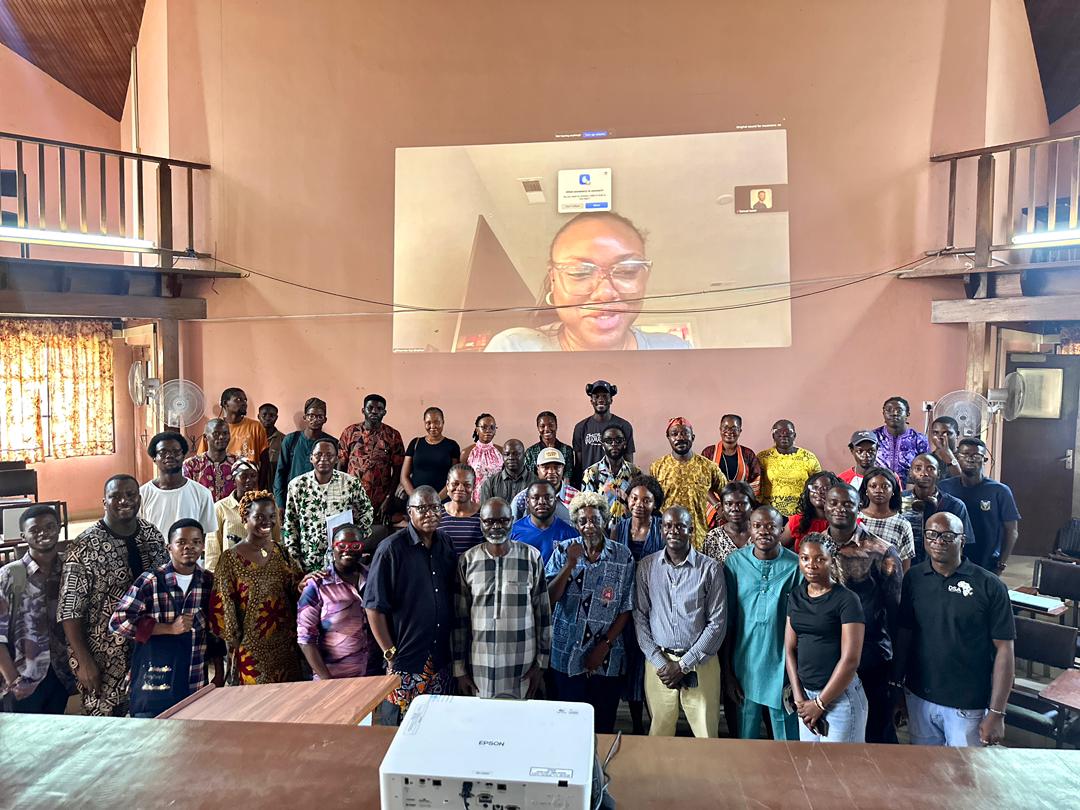
This reflective walk formed the culmination of a three-day field trip undertaken between 17 and 20 October 2025, as part of programme’s commitment to experiential learning in diaspora and transnational studies.
The trip was intentionally scheduled to coincide with the Diaspora Door of Return Festival, an annual initiative of the Nigerians in Diaspora Commission (NiDCOM), designed to promote homecoming and reconnection for people of African descent in the diaspora—particularly descendants of those displaced through the Transatlantic Slave Trade.
By situating learning within Badagry, a town dense with historical memory and African-diaspora heritage, the field trip allowed students to encounter history not only through texts, but through landscapes, artefacts, performances, and embodied experience.
Day One: Encountering History and Living Heritage
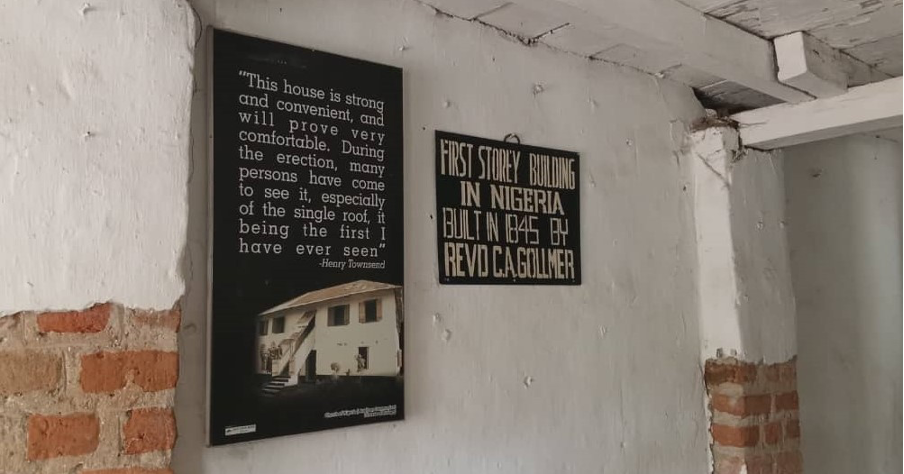
The first day began with a visit to Nigeria’s first storey building, constructed in 1845 by missionaries of the Church of England. An expository tour of the over 180-year-old structure offered insight into nineteenth-century European presence in Badagry, the role of Christianity in shaping early colonial encounters, and the broader implications for cultural and political transformation.
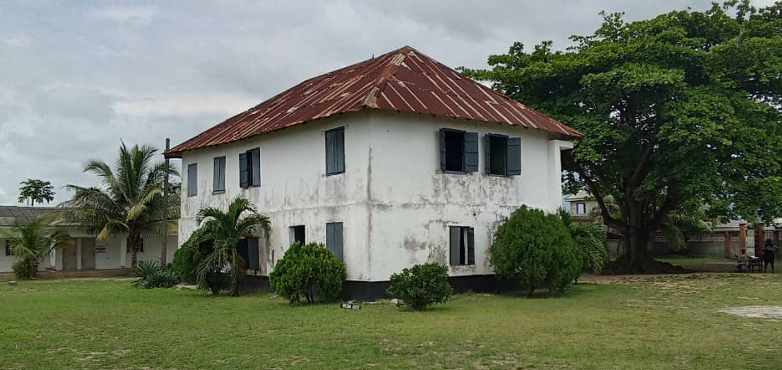
Particularly striking were historical references to Samuel Ajayi Crowther, a formerly enslaved African who later became the first African Anglican bishop. His work in translating the Bible into Yoruba underscored the complex intersections of enslavement, liberation, faith, and intellectual production.
From this introduction to early colonial and missionary history, the group moved into an encounter with living cultural heritage. Students attended a public presentation and cultural event organised by the Ogu Revivalist Vanguard, a heritage organisation serving the Ogu people of southwest Nigeria and the Republic of Benin.
That afternoon, Badagry felt animated by a powerful sense of welcome. As members of the African diaspora gathered for the festival, the town became a space of reunion, where histories of loss were met with gestures of return and belonging.
The day concluded at the open-air Diaspora Door of Return Festival, where dance, music, traditional dress, and visual art transformed remembrance into celebration. For many students, this blending of history with contemporary cultural expression made the meaning of diaspora both tangible and immediate.
Day Two: Slavery, Memory, and Material Evidence
The second day shifted focus toward the material and emotional realities of the Transatlantic Slave Trade. At the Badagry Heritage Museum, students were guided through a chronological narrative of capture, enslavement, the Middle Passage, resistance, abolition, and post-emancipation life in the diaspora.
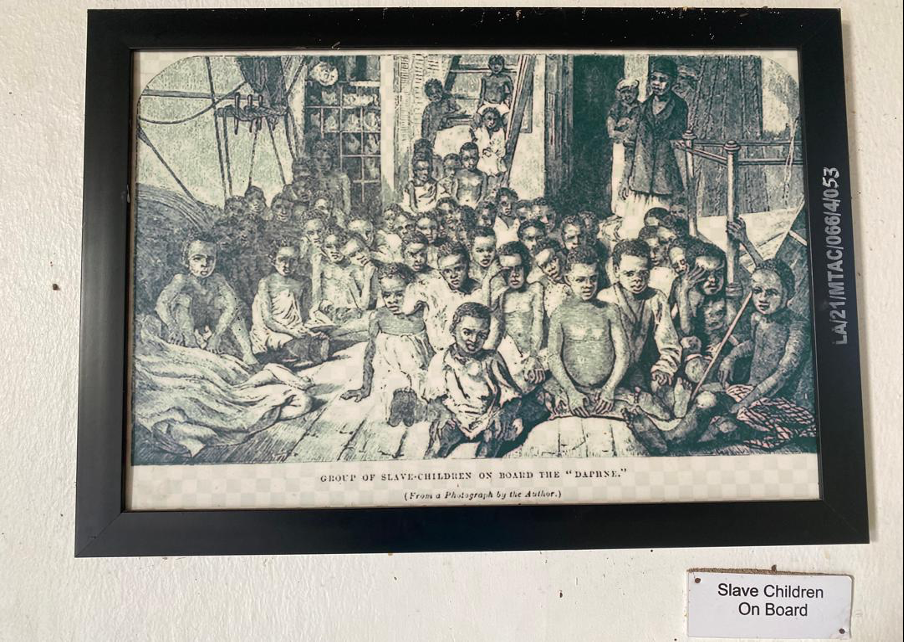
The experience was intensified by the artefacts on display. Chains, manacles, and relics of confinement became especially affecting when contextualised by the guide’s narration. One student later reflected that seeing physical restraints designed for children and infants made the violence of the trade “impossible to distance or intellectualise.”
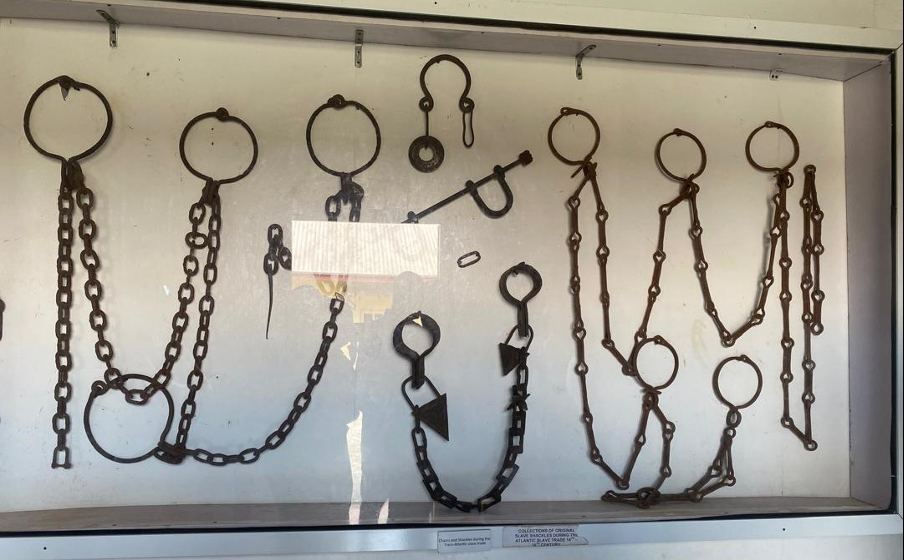
The tour continued at the Seriki Williams Abass Slave Museum, also known as the Brazilian Barracoon. These former holding dungeons revealed the economic infrastructure of slavery and the role of local intermediaries in sustaining the trade. Here, the scale and profitability of human commodification became starkly evident.
Together, the two museum visits deepened students’ understanding of slavery as both a global system and a local enterprise, embedded in everyday spaces and decisions.
Day Three: The Point of No Return and the Politics of Memory
The final day took students to Gberefu Island, located between mainland Badagry and the Atlantic Ocean. A 1.5-kilometre stretch of road leads from the settlement to the shoreline—a route that takes roughly thirty minutes to walk today, but which once marked the irreversible passage from captivity in Africa to enslavement across the Atlantic.
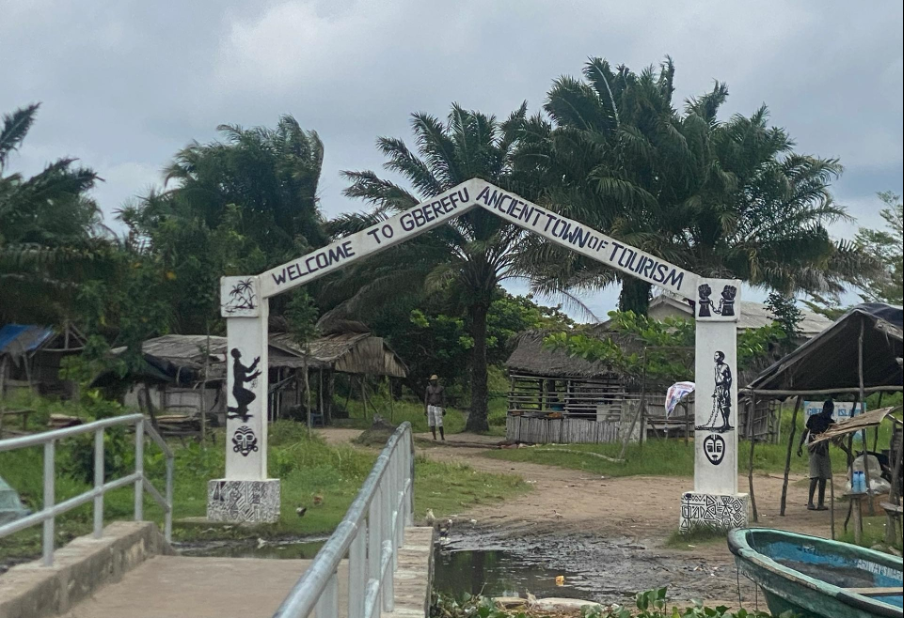
Opened as a slave port in 1473, Gberefu is now widely known as the Point of No Return. Walking this path, students were confronted with the physical and emotional weight of history. Many paused in silence, reflecting on the millions who walked this same road under duress, never to return.
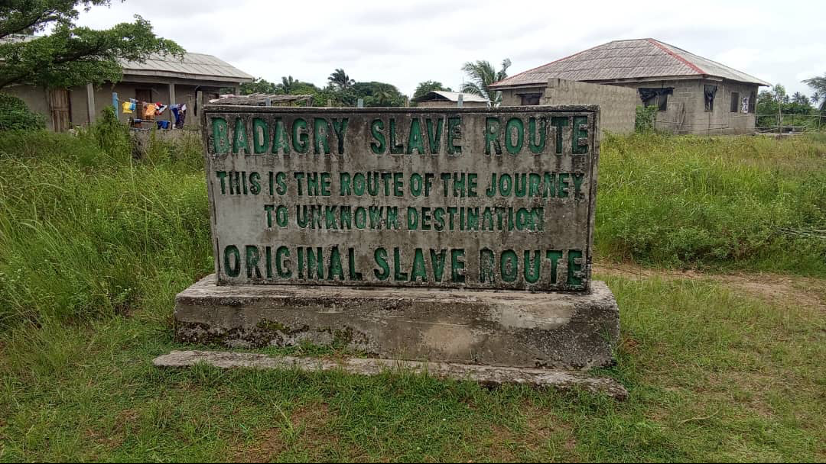
Along the route stands the Well of Attenuation, a slavery-era well from which captives were forced to drink. Oral histories suggest the water was meant to induce forgetfulness – of home, identity, and memory – before departure. Its presence foregrounded the centrality of memory, erasure, and resistance in African and African-diaspora histories.
During the Diaspora Door of Return Festival, descendants of the diaspora symbolically reverse this journey by walking to the Point of No Return and then back again, transforming a site of loss into one of return and affirmation.
After leaving Gberefu, the group visited a coastal resort along the Badagry shoreline. Experiencing the Atlantic Ocean, its winds, waves, and vastness, offered a quiet but powerful contrast to the histories associated with those same waters.
Reflections and Learning Beyond the Classroom
For many students, the trip bridged the gap between theory and lived experience. As one participant noted, “This was my first time visiting Badagry. It was powerful to finally encounter, in person, histories I had only read about.”
Another student highlighted the emotional resonance of the festival itself, describing it as “a celebration of African freedom that made the idea of return feel real, not abstract.”
Overall, the Badagry field trip reflects the broader objectives of the African Diaspora Resource and Research Centre (ADRRC), the Ibadan School of Diaspora Studies, and the Diaspora and Transnational Studies Programme at the Institute of African Studies. Central to these objectives is a commitment to hands-on scholarship, one that moves learning beyond the classroom and situates knowledge production within historical, cultural, and communal spaces.
Images courtesy of Boluwatito Sanusi, Olusola Ojo, and Inyene Etuk.